Clinical Peptide Medicine — Structured. Applied. Evolving.
Praxis Peptide Institute
  • HOME
  • START HERE
  • LEARN
  • PEPTIDE GUIDES
  • PEP EXPERIENCE REGISTRY
  • EXPLORE REGISTRY
  • ADVANCED LEARNER TRAINING
  • CLINICIAN TRAINING
  • ABOUT
  • More
    • HOME
    • START HERE
    • LEARN
    • PEPTIDE GUIDES
    • PEP EXPERIENCE REGISTRY
    • EXPLORE REGISTRY
    • ADVANCED LEARNER TRAINING
    • CLINICIAN TRAINING
    • ABOUT
  • Sign In
  • Create Account

  • My Account
  • Signed in as:

  • filler@godaddy.com


  • My Account
  • Sign out

Signed in as:

filler@godaddy.com

  • HOME
  • START HERE
  • LEARN
  • PEPTIDE GUIDES
  • PEP EXPERIENCE REGISTRY
  • EXPLORE REGISTRY
  • ADVANCED LEARNER TRAINING
  • CLINICIAN TRAINING
  • ABOUT

Account

  • My Account
  • Sign out

  • Sign In
  • My Account

Hormones & Endocrine Signaling

SIGNALING

Hormones Are Not Isolated Numbers. They Are Signals Inside Feedback Systems. 

MOST DISCUSSIONS ABOUT HORMONES BEGIN WITH A LABORATORY VALUE

Testosterone is low.

Cortisol is high.

Estradiol is elevated.

Thyroid hormone is “normal.”

Insulin is high.


But a hormone concentration is only one snapshot of a much larger biological system.

HORMONES ARE

Signals


Those signals are produced by tissues, released in response to specific inputs, transported through the body, interpreted by receptors, modified by enzymes, restrained through feedback loops, and integrated with other hormonal systems.


That means the clinically useful question is rarely:

“Is this hormone high or low?”

A better question is:

“Why is this signal changing, what feedback system produced it, what tissue is receiving it, and what physiological problem is the body attempting to solve?”

KEY IDEA

The endocrine system is not a collection of independent hormones.


It is an interconnected signaling network built around:

Input → Hormone → Receptor → Tissue Response → Feedback


Understanding the network comes before manipulating the number.

THE ENDOCRINE NETWORK

The endocrine system operates through a series of hormonal feedback loops, beginning with the hypothalamus signaling the pituitary gland, which in turn influences the thyroid, adrenal glands, and gonads. This intricate system is also interconnected with other key organs such as the pancreas, liver, adipose tissue, skeletal muscle, gut, and brain. These connections highlight the importance of hormonal signaling in maintaining body homeostasis and can play a significant role in conditions like insulin resistance. Additionally, advances in peptide medicine continue to explore these relationships further, enhancing our understanding of the endocrine system's complexities.

Hormones Are Information

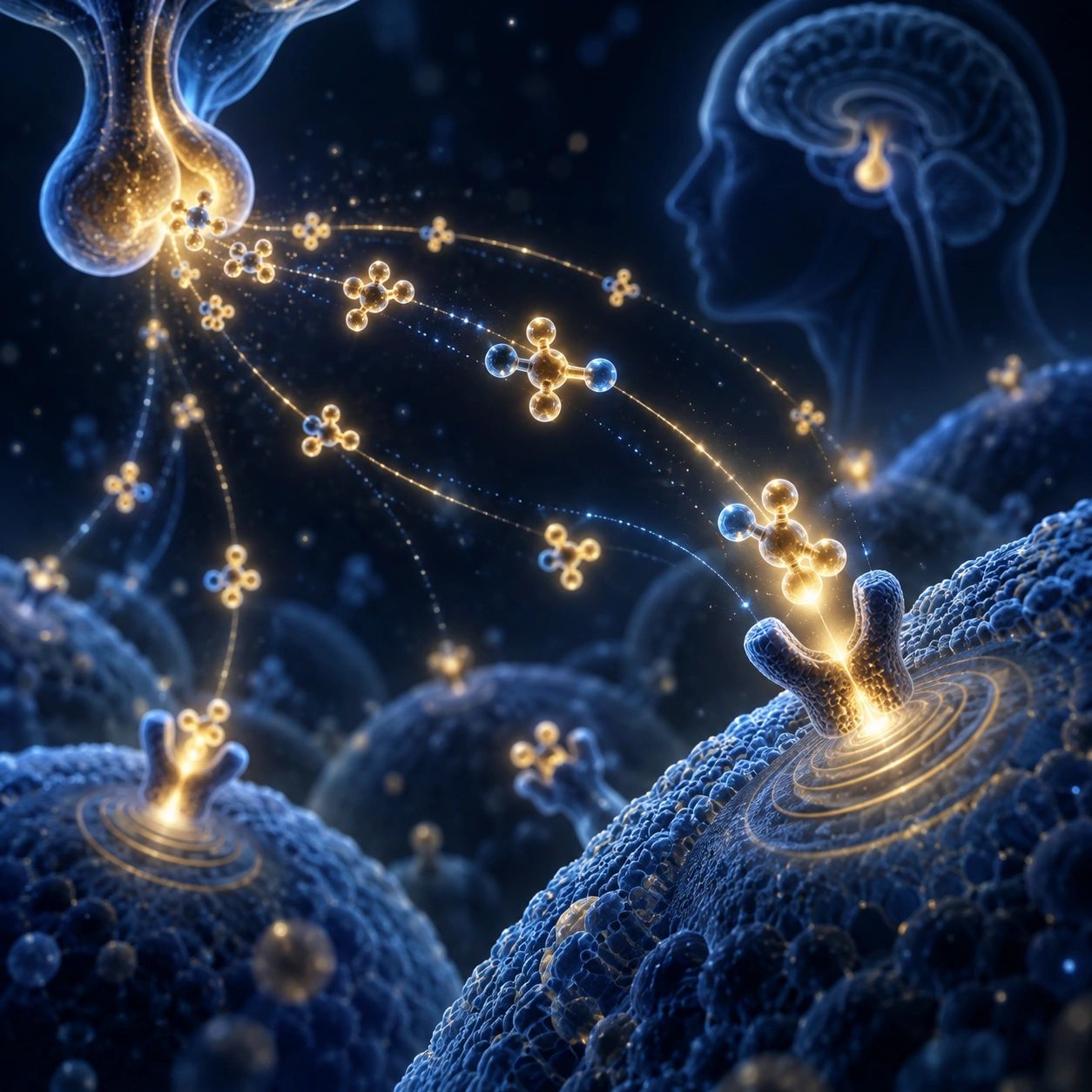
Hormones allow one tissue to communicate with another.

The endocrine system regulates:

  • metabolism 
  • reproduction 
  • growth 
  • stress adaptation 
  • glucose control 
  • fluid balance 
  • appetite 
  • sleep 
  • body composition 
  • temperature 
  • tissue repair

But endocrine signaling is never simply:

more hormone = more function.


Signal strength depends on the entire pathway.

Stimulus → Hormone Release → Circulation → Receptor → Cellular Response → Negative Feedback 
THE SIX PRINCIPLES OF ENDOCRINE PHYSIOLOGY

1. HORMONES OPERATE IN FEEDBACK LOOPS

The output of the endocrine system often regulates the hormonal signaling that produced it, demonstrating the role of hormonal feedback loops in processes such as insulin resistance and advancements in peptide medicine.

2. RECEPTORS MATTER AS MUCH AS HORMONE LEVELS

A normal concentration of hormones within the endocrine system does not necessarily ensure effective hormonal signaling, which can be influenced by factors such as insulin resistance and the dynamics of hormonal feedback loops in the context of modern peptide medicine.

3. TIMING MATTERS

Hormones may change due to various factors that impact the endocrine system, including hourly fluctuations, daily variations, changes throughout meals, and adjustments during menstrual cycles. Additionally, these hormonal signaling pathways can shift across seasons, as well as with sleep patterns and stress levels. Such changes can also influence aspects like insulin resistance and the effectiveness of peptide medicine.

4. FREE AND BOUND HORMONE ARE DIFFERENT

Transport proteins can significantly influence the biological availability of substances, which has implications for the endocrine system and its hormonal signaling pathways, including how they interact with insulin resistance and peptide medicine in the context of hormonal feedback loops.

5. HORMONES INTERACT

The thyroid, insulin, cortisol, sex hormones, growth hormone, and appetite signals operate within the complex framework of the endocrine system, highlighting the importance of hormonal feedback loops and hormonal signaling in maintaining balance. These hormones do not function independently, as conditions like insulin resistance can affect their interactions and the emerging field of peptide medicine offers new insights into these dynamic processes.

6. MORE SIGNALING IS NOT ALWAYS BETTER

Excess stimulation can disrupt the hormonal feedback loops within the endocrine system, leading to receptor adaptation and counter-regulation. This can contribute to adverse effects, including insulin resistance, which may interfere with hormonal signaling. Additionally, the implications of peptide medicine could be affected by this disruption.

UNDERSTAND THE AXES

HPA AXIS

HPA AXIS

HPA AXIS

The endocrine system plays a crucial role in stress response through a sequence of hormonal signaling, starting from the hypothalamus releasing CRH, which then stimulates the pituitary gland to produce ACTH. This hormone prompts the adrenal cortex to release cortisol, a key player in adapting to stress. Understanding the dynamics of these hormonal feedback loops is essential, especially as chronic stress can lead to conditions such as insulin resistance. Additionally, recent advancements in peptide medicine offer promising approaches to manage these hormonal imbalances.

HPT AXIS

HPA AXIS

HPA AXIS

The hypothalamus regulates the endocrine system by producing thyrotropin-releasing hormone (TRH), which stimulates the pituitary gland to release thyroid-stimulating hormone (TSH). This hormonal signaling cascade ultimately influences the thyroid to produce T4 and T3, key hormones that play critical roles in metabolic rate and energy regulation. Understanding these hormonal feedback loops is essential, especially as conditions like insulin resistance can disrupt these processes, paving the way for advancements in peptide medicine.

HPG AXIS

HPA AXIS

HPG AXIS

Hypothalamus → GnRH → Pituitary → LH / FSH → Gonads → Testosterone / Estradiol / Progesterone. This process illustrates the intricate workings of the endocrine system, highlighting the importance of hormonal signaling in reproduction, development, and sex-hormone physiology. Understanding these hormonal feedback loops is crucial, especially in contexts like insulin resistance and emerging fields such as peptide medicine.

Illustration of human anatomy with highlighted organs and biological molecules.

ENDOCRINE SIGNALING EXTENDS BEYOND THE CLASSICAL GLANDS

Brain


↓


Pituitary


↓


Thyroid | Adrenal | Gonads


Modern endocrinology extends far beyond the pituitary, thyroid, adrenal glands, and gonads, encompassing the entire endocrine system. The gut plays a vital role by producing hormones that influence various bodily functions. Additionally, adipose tissue acts as an endocrine organ, contributing to hormonal signaling. Skeletal muscle also participates, releasing signaling molecules that affect hormonal feedback loops. The kidney is involved in endocrine regulation, further highlighting the body's complex interactions. Furthermore, the pancreas integrates nutrient sensing with hormonal control, a critical aspect of maintaining balance, especially in the context of insulin resistance. This complexity is why endocrine physiology increasingly overlaps with systems biology and emerging fields like peptide medicine.

THE HORMONES & ENDOCRINE SIGNALING ARTICLE LIBRARY


GROUP I — FOUNDATIONS OF ENDOCRINE SIGNALING

01. Hormones Are Signals — Start With the Feedback Loop, Not the Lab Number

03. Hormone Receptors — Why Normal Hormone Levels Can Produce Abnormal Signaling

01. Hormones Are Signals — Start With the Feedback Loop, Not the Lab Number

The output of the endocrine system often regulates the hormonal signaling that produced it, demonstrating the role of hormonal feedback loops in processes such as insulin resistance and advancements in peptide medicine.

READ ARTICLE

02. Negative Feedback — How the Endocrine System Prevents Runaway Signaling

03. Hormone Receptors — Why Normal Hormone Levels Can Produce Abnormal Signaling

01. Hormones Are Signals — Start With the Feedback Loop, Not the Lab Number

A normal concentration of hormones within the endocrine system does not necessarily ensure effective hormonal signaling, which can be influenced by factors such as insulin resistance and the dynamics of hormonal feedback loops in the context of modern peptide medicine.

READ ARTICLE

03. Hormone Receptors — Why Normal Hormone Levels Can Produce Abnormal Signaling

03. Hormone Receptors — Why Normal Hormone Levels Can Produce Abnormal Signaling

04. Pulsatile Hormone Release — Why Timing Can Matter More Than a Single Blood Test

Hormones may change due to various factors that impact the endocrine system, including hourly fluctuations, daily variations, changes throughout meals, and adjustments during menstrual cycles. Additionally, these hormonal signaling pathways can shift across seasons, as well as with sleep patterns and stress levels. Such changes can also influence aspects like insulin resistance and the effectiveness of peptide medicine.

READ ARTICLE

04. Pulsatile Hormone Release — Why Timing Can Matter More Than a Single Blood Test

04. Pulsatile Hormone Release — Why Timing Can Matter More Than a Single Blood Test

04. Pulsatile Hormone Release — Why Timing Can Matter More Than a Single Blood Test

Transport proteins can significantly influence the biological availability of substances, which has implications for the endocrine system and its hormonal signaling pathways, including how they interact with insulin resistance and peptide medicine in the context of hormonal feedback loops.

READ ARTICLE

05. Circadian Hormone Biology — Why Time of Day Changes the Meaning of a Lab Result

04. Pulsatile Hormone Release — Why Timing Can Matter More Than a Single Blood Test

05. Circadian Hormone Biology — Why Time of Day Changes the Meaning of a Lab Result

The thyroid, insulin, cortisol, sex hormones, growth hormone, and appetite signals operate within the complex framework of the endocrine system, highlighting the importance of hormonal feedback loops and hormonal signaling in maintaining balance. These hormones do not function independently, as conditions like insulin resistance can affect their interactions and the emerging field of peptide medicine offers new insights into these dynamic processes.

READ ARTICLE

THE CLASSICAL ENDOCRINE AXES

06. The Hypothalamus — The Control Center Connecting the Brain to the Endocrine System

06. The Hypothalamus — The Control Center Connecting the Brain to the Endocrine System

06. The Hypothalamus — The Control Center Connecting the Brain to the Endocrine System

The output of the endocrine system often regulates the hormonal signaling that produced it, demonstrating the role of hormonal feedback loops in processes such as insulin resistance and advancements in peptide medicine.

READ ARTICLE

07. The Pituitary — Why the “Master Gland” Is Really a Signal-Relay System

06. The Hypothalamus — The Control Center Connecting the Brain to the Endocrine System

06. The Hypothalamus — The Control Center Connecting the Brain to the Endocrine System

A normal concentration of hormones within the endocrine system does not necessarily ensure effective hormonal signaling, which can be influenced by factors such as insulin resistance and the dynamics of hormonal feedback loops in the context of modern peptide medicine.

READ ARTICLE

08. The HPA Axis — Cortisol, ACTH, CRH, Stress, and Adaptation

06. The Hypothalamus — The Control Center Connecting the Brain to the Endocrine System

09. Cortisol — Why High, Low, Morning, Evening, Acute, and Chronic Mean Different Things

Hormones may change due to various factors that impact the endocrine system, including hourly fluctuations, daily variations, changes throughout meals, and adjustments during menstrual cycles. Additionally, these hormonal signaling pathways can shift across seasons, as well as with sleep patterns and stress levels. Such changes can also influence aspects like insulin resistance and the effectiveness of peptide medicine.

READ ARTICLE

09. Cortisol — Why High, Low, Morning, Evening, Acute, and Chronic Mean Different Things

09. Cortisol — Why High, Low, Morning, Evening, Acute, and Chronic Mean Different Things

09. Cortisol — Why High, Low, Morning, Evening, Acute, and Chronic Mean Different Things

Transport proteins can significantly influence the biological availability of substances, which has implications for the endocrine system and its hormonal signaling pathways, including how they interact with insulin resistance and peptide medicine in the context of hormonal feedback loops.

READ ARTICLE

10. The HPT Axis — How TRH, TSH, T4, T3, and Feedback Control Thyroid Function

09. Cortisol — Why High, Low, Morning, Evening, Acute, and Chronic Mean Different Things

10. The HPT Axis — How TRH, TSH, T4, T3, and Feedback Control Thyroid Function

The thyroid, insulin, cortisol, sex hormones, growth hormone, and appetite signals operate within the complex framework of the endocrine system, highlighting the importance of hormonal feedback loops and hormonal signaling in maintaining balance. These hormones do not function independently, as conditions like insulin resistance can affect their interactions and the emerging field of peptide medicine offers new insights into these dynamic processes.

READ ARTICLE

11. T4 to T3 Conversion — Why Thyroid Signaling Does Not End With TSH

09. Cortisol — Why High, Low, Morning, Evening, Acute, and Chronic Mean Different Things

10. The HPT Axis — How TRH, TSH, T4, T3, and Feedback Control Thyroid Function

Excess stimulation can disrupt the hormonal feedback loops within the endocrine system, leading to receptor adaptation and counter-regulation. This can contribute to adverse effects, including insulin resistance, which may interfere with hormonal signaling. Additionally, the implications of peptide medicine could be affected by this disruption.

READ ARTICLE

12. The HPG Axis — GnRH, LH, FSH, Testosterone, Estradiol, and Reproductive Feedback

12. The HPG Axis — GnRH, LH, FSH, Testosterone, Estradiol, and Reproductive Feedback

12. The HPG Axis — GnRH, LH, FSH, Testosterone, Estradiol, and Reproductive Feedback

The core reproductive-axis architecture is intricately linked to the endocrine system, influencing hormonal feedback loops and hormonal signaling. Additionally, understanding this architecture can provide insights into conditions like insulin resistance and the potential application of peptide medicine.

READ ARTICLE

GROUP III — SEX-HORMONE PHYSIOLOGY

13. Testosterone — Production, Transport, Receptors, Aromatization, and Feedback

13. Testosterone — Production, Transport, Receptors, Aromatization, and Feedback

13. Testosterone — Production, Transport, Receptors, Aromatization, and Feedback

The output of the endocrine system often regulates the hormonal signaling that produced it, demonstrating the role of hormonal feedback loops in processes such as insulin resistance and advancements in peptide medicine.

READ ARTICLE

14. Estradiol — Why Estrogen Biology Is More Than a Female Hormone

13. Testosterone — Production, Transport, Receptors, Aromatization, and Feedback

13. Testosterone — Production, Transport, Receptors, Aromatization, and Feedback

A normal concentration of hormones within the endocrine system does not necessarily ensure effective hormonal signaling, which can be influenced by factors such as insulin resistance and the dynamics of hormonal feedback loops in the context of modern peptide medicine.

READ ARTICLE

15. Progesterone — Reproductive Signaling, Neurobiology, and Hormonal Balance

13. Testosterone — Production, Transport, Receptors, Aromatization, and Feedback

15. Progesterone — Reproductive Signaling, Neurobiology, and Hormonal Balance

Hormones may change due to various factors that impact the endocrine system, including hourly fluctuations, daily variations, changes throughout meals, and adjustments during menstrual cycles. Additionally, these hormonal signaling pathways can shift across seasons, as well as with sleep patterns and stress levels. Such changes can also influence aspects like insulin resistance and the effectiveness of peptide medicine.

READ ARTICLE

16. SHBG — Why Total Hormone Levels Do Not Tell the Whole Story

17. Aromatase — How Testosterone and Estradiol Are Metabolically Connected

15. Progesterone — Reproductive Signaling, Neurobiology, and Hormonal Balance

Transport proteins can significantly influence the biological availability of substances, which has implications for the endocrine system and its hormonal signaling pathways, including how they interact with insulin resistance and peptide medicine in the context of hormonal feedback loops.

READ ARTICLE

17. Aromatase — How Testosterone and Estradiol Are Metabolically Connected

17. Aromatase — How Testosterone and Estradiol Are Metabolically Connected

17. Aromatase — How Testosterone and Estradiol Are Metabolically Connected

The thyroid, insulin, cortisol, sex hormones, growth hormone, and appetite signals operate within the complex framework of the endocrine system, highlighting the importance of hormonal feedback loops and hormonal signaling in maintaining balance. These hormones do not function independently, as conditions like insulin resistance can affect their interactions and the emerging field of peptide medicine offers new insights into these dynamic processes.

READ ARTICLE

GROUP IV — METABOLIC ENDOCRINOLOGY

18. Insulin Is a Signaling Hormone — Not Simply a Blood-Sugar Number

19. Insulin Resistance — When the Signal Is Present but the Tissue Stops Responding Normally

19. Insulin Resistance — When the Signal Is Present but the Tissue Stops Responding Normally

The output of the endocrine system often regulates the hormonal signaling that produced it, demonstrating the role of hormonal feedback loops in processes such as insulin resistance and advancements in peptide medicine.

READ ARTICLE

19. Insulin Resistance — When the Signal Is Present but the Tissue Stops Responding Normally

19. Insulin Resistance — When the Signal Is Present but the Tissue Stops Responding Normally

19. Insulin Resistance — When the Signal Is Present but the Tissue Stops Responding Normally

A normal concentration of hormones within the endocrine system does not necessarily ensure effective hormonal signaling, which can be influenced by factors such as insulin resistance and the dynamics of hormonal feedback loops in the context of modern peptide medicine.

READ ARTICLE

20. Glucagon — The Counter-Regulatory Hormone That Prevents Metabolic Collapse

19. Insulin Resistance — When the Signal Is Present but the Tissue Stops Responding Normally

21. Adipose Tissue Is an Endocrine Organ — Leptin, Adiponectin, Inflammation, and Energy Storage

Hormones may change due to various factors that impact the endocrine system, including hourly fluctuations, daily variations, changes throughout meals, and adjustments during menstrual cycles. Additionally, these hormonal signaling pathways can shift across seasons, as well as with sleep patterns and stress levels. Such changes can also influence aspects like insulin resistance and the effectiveness of peptide medicine.

READ ARTICLE

21. Adipose Tissue Is an Endocrine Organ — Leptin, Adiponectin, Inflammation, and Energy Storage

21. Adipose Tissue Is an Endocrine Organ — Leptin, Adiponectin, Inflammation, and Energy Storage

21. Adipose Tissue Is an Endocrine Organ — Leptin, Adiponectin, Inflammation, and Energy Storage

Transport proteins can significantly influence the biological availability of substances, which has implications for the endocrine system and its hormonal signaling pathways, including how they interact with insulin resistance and peptide medicine in the context of hormonal feedback loops.

READ ARTICLE

22. Leptin — Why More of an Appetite-Suppressing Hormone Can Exist Alongside Obesity

21. Adipose Tissue Is an Endocrine Organ — Leptin, Adiponectin, Inflammation, and Energy Storage

22. Leptin — Why More of an Appetite-Suppressing Hormone Can Exist Alongside Obesity

The thyroid, insulin, cortisol, sex hormones, growth hormone, and appetite signals operate within the complex framework of the endocrine system, highlighting the importance of hormonal feedback loops and hormonal signaling in maintaining balance. These hormones do not function independently, as conditions like insulin resistance can affect their interactions and the emerging field of peptide medicine offers new insights into these dynamic processes.

READ ARTICLE

23. Ghrelin — Hunger, Growth Hormone Signaling, Meal Timing, and Energy Availability

21. Adipose Tissue Is an Endocrine Organ — Leptin, Adiponectin, Inflammation, and Energy Storage

22. Leptin — Why More of an Appetite-Suppressing Hormone Can Exist Alongside Obesity

Excess stimulation can disrupt the hormonal feedback loops within the endocrine system, leading to receptor adaptation and counter-regulation. This can contribute to adverse effects, including insulin resistance, which may interfere with hormonal signaling. Additionally, the implications of peptide medicine could be affected by this disruption.

READ ARTICLE

GROUP V — GUT AND PEPTIDE ENDOCRINOLOGY

24. The Gut Is an Endocrine Organ — Enteroendocrine Cells and Nutrient Sensing

24. The Gut Is an Endocrine Organ — Enteroendocrine Cells and Nutrient Sensing

24. The Gut Is an Endocrine Organ — Enteroendocrine Cells and Nutrient Sensing

The output of the endocrine system often regulates the hormonal signaling that produced it, demonstrating the role of hormonal feedback loops in processes such as insulin resistance and advancements in peptide medicine.

READ ARTICLE

25. GLP-1 — Appetite, Insulin, Gastric Emptying, and Nutrient Signaling

24. The Gut Is an Endocrine Organ — Enteroendocrine Cells and Nutrient Sensing

24. The Gut Is an Endocrine Organ — Enteroendocrine Cells and Nutrient Sensing

A normal concentration of hormones within the endocrine system does not necessarily ensure effective hormonal signaling, which can be influenced by factors such as insulin resistance and the dynamics of hormonal feedback loops in the context of modern peptide medicine.

READ ARTICLE

26. GIP — Why the Second Incretin Matters

24. The Gut Is an Endocrine Organ — Enteroendocrine Cells and Nutrient Sensing

27. CCK, Secretin, Motilin, and PYY — The Peptide Signals Coordinating Digestion

Hormones may change due to various factors that impact the endocrine system, including hourly fluctuations, daily variations, changes throughout meals, and adjustments during menstrual cycles. Additionally, these hormonal signaling pathways can shift across seasons, as well as with sleep patterns and stress levels. Such changes can also influence aspects like insulin resistance and the effectiveness of peptide medicine.

READ ARTICLE

27. CCK, Secretin, Motilin, and PYY — The Peptide Signals Coordinating Digestion

28. Incretin Biology — Why GLP-1, GIP, Glucagon, and Multi-Agonist Therapies Are Not Interchangeable

27. CCK, Secretin, Motilin, and PYY — The Peptide Signals Coordinating Digestion

Transport proteins can significantly influence the biological availability of substances, which has implications for the endocrine system and its hormonal signaling pathways, including how they interact with insulin resistance and peptide medicine in the context of hormonal feedback loops.

READ ARTICLE

28. Incretin Biology — Why GLP-1, GIP, Glucagon, and Multi-Agonist Therapies Are Not Interchangeable

28. Incretin Biology — Why GLP-1, GIP, Glucagon, and Multi-Agonist Therapies Are Not Interchangeable

28. Incretin Biology — Why GLP-1, GIP, Glucagon, and Multi-Agonist Therapies Are Not Interchangeable

The thyroid, insulin, cortisol, sex hormones, growth hormone, and appetite signals operate within the complex framework of the endocrine system, highlighting the importance of hormonal feedback loops and hormonal signaling in maintaining balance. These hormones do not function independently, as conditions like insulin resistance can affect their interactions and the emerging field of peptide medicine offers new insights into these dynamic processes.

READ ARTICLE

GROUP VI — CLINICAL REASONING & PEPTIDE MEDICINE

29. Hormone Replacement vs Hormone Restoration — These Are Not the Same Strategy

31. Monitoring Hormonal and Endocrine Peptide Therapy — What Should Actually Be Measured

29. Hormone Replacement vs Hormone Restoration — These Are Not the Same Strategy

The output of the endocrine system often regulates the hormonal signaling that produced it, demonstrating the role of hormonal feedback loops in processes such as insulin resistance and advancements in peptide medicine.

READ ARTICLE

30. When Endocrine Peptide Signaling Becomes Therapeutically Relevant

31. Monitoring Hormonal and Endocrine Peptide Therapy — What Should Actually Be Measured

29. Hormone Replacement vs Hormone Restoration — These Are Not the Same Strategy

A normal concentration of hormones within the endocrine system does not necessarily ensure effective hormonal signaling, which can be influenced by factors such as insulin resistance and the dynamics of hormonal feedback loops in the context of modern peptide medicine.

READ ARTICLE

31. Monitoring Hormonal and Endocrine Peptide Therapy — What Should Actually Be Measured

31. Monitoring Hormonal and Endocrine Peptide Therapy — What Should Actually Be Measured

31. Monitoring Hormonal and Endocrine Peptide Therapy — What Should Actually Be Measured

Hormones may change due to various factors that impact the endocrine system, including hourly fluctuations, daily variations, changes throughout meals, and adjustments during menstrual cycles. Additionally, these hormonal signaling pathways can shift across seasons, as well as with sleep patterns and stress levels. Such changes can also influence aspects like insulin resistance and the effectiveness of peptide medicine.

READ ARTICLE

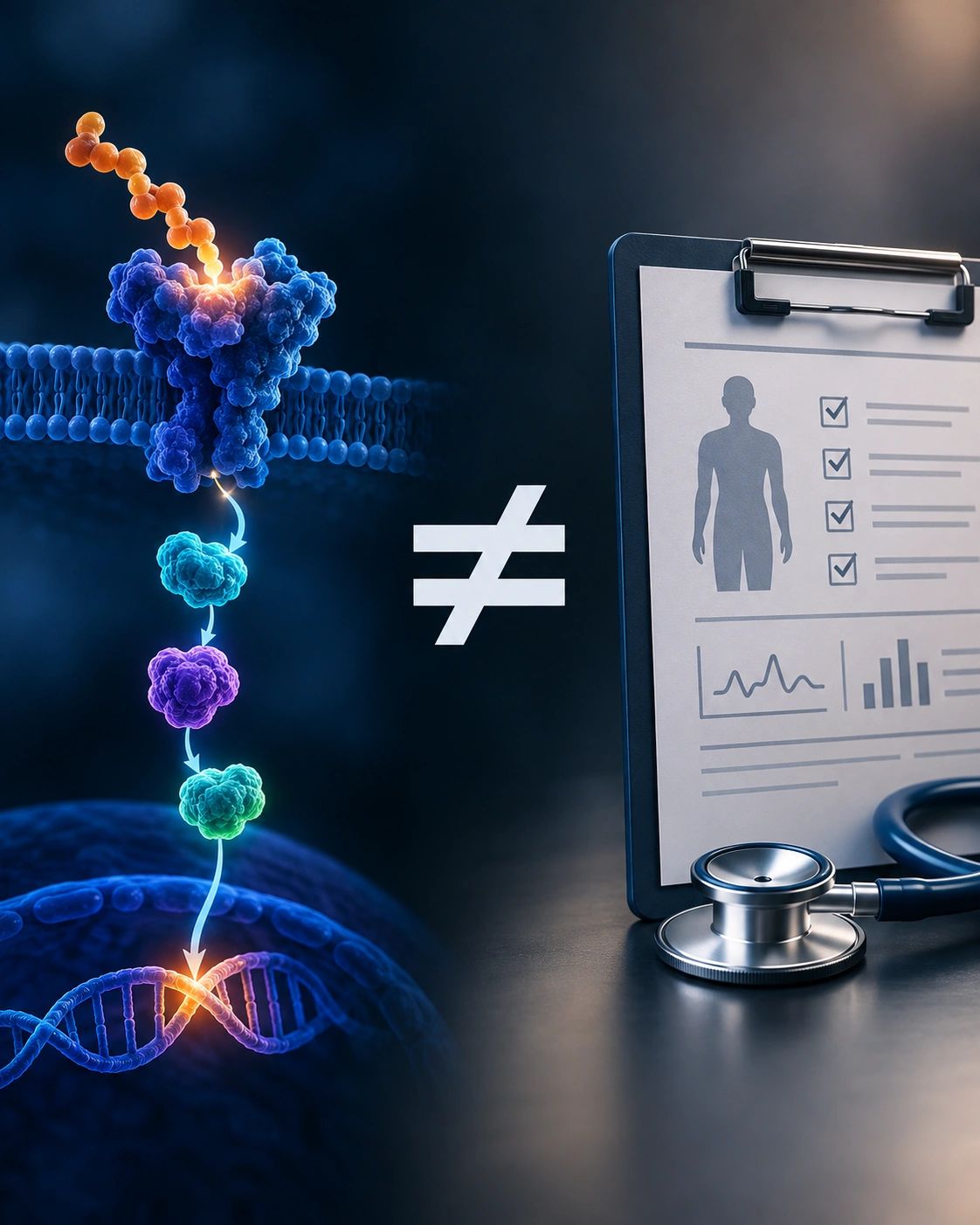
MECHANISM DOES NOT EQUAL DIAGNOSIS

Finding

  • high cortisol 
  • low testosterone 
  • elevated insulin 
  • low T3 
  • high estradiol

 Ask Why

  • compensatory response? 
  • gland failure? 
  • receptor resistance? 
  • altered transport protein? 
  • medication effect? 
  • illness? 
  • energy deficit? 
  • disrupted feedback? 

A hormone abnormality is a clue to physiology—not automatically the diagnosis.
MORE SIGNALING IS NOT ALWAYS BETTER

More is not automatically better within the endocrine system:  


Testosterone ↑  

does not automatically mean:  

better health.  


Thyroid hormone ↑  

does not automatically mean:  

better metabolism.  


Growth hormone ↑  

does not automatically mean:  

better repair.  


Insulin ↑  

does not automatically mean:  

better glucose control or improved insulin resistance.  


Cortisol ↓  

does not automatically mean:  

less stress.  


The target is appropriate hormonal signaling—not maximal signaling, considering the intricate hormonal feedback loops and the role of peptide medicine in achieving balance.

Illustration of human endocrine system and hormone pathways.

ENDOCRINE FEEDBACK LOOPS

Hypothalamus → Pituitary → Target Gland → Target Hormone → Tissue Response ↘ Negative Feedback to Hy

Brain


↓


Pituitary


↓


Thyroid | Adrenal | Gonads


Modern endocrinology extends far beyond the pituitary, thyroid, adrenal glands, and gonads, encompassing the entire endocrine system. The gut plays a vital role by producing hormones that influence various bodily functions. Additionally, adipose tissue acts as an endocrine organ, contributing to hormonal signaling. Skeletal muscle also participates, releasing signaling molecules that affect hormonal feedback loops. The kidney is involved in endocrine regulation, further highlighting the body's complex interactions. Furthermore, the pancreas integrates nutrient sensing with hormonal control, a critical aspect of maintaining balance, especially in the context of insulin resistance. This complexity is why endocrine physiology increasingly overlaps with systems biology and emerging fields like peptide medicine.
THE PRAXIS APPROACH

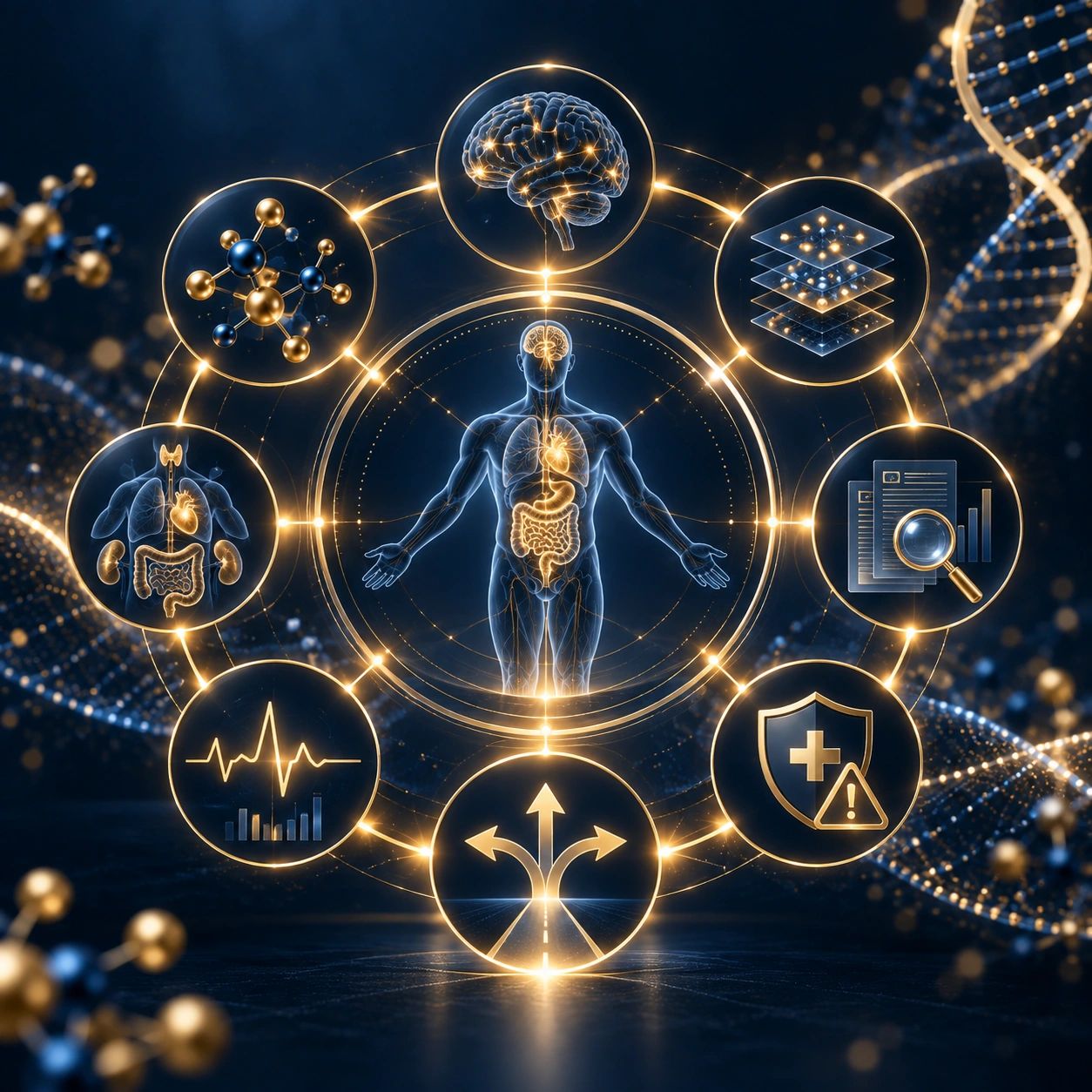
PHYSIOLOGY - What should the endocrine system normally do?

↓

PATTERN - What hormonal pattern is present?

↓

MECHANISM - Why is the pattern occurring?

↓

EVIDENCE - What evidence supports that explanation?

↓

RISK - What happens if the pathway is manipulated?

↓

MONITORING - Which downstream outcomes should change?

↓

DECISION - Does intervention make biological and clinical sense?

THE PRAXIS 5

Mechanism - What pathway are we actually modifying?

Evidence - How strong is the evidence for this patient and intervention?

Risk - What feedback system or tissue might be disrupted?

Monitoring - What tells us whether signaling actually improved?

Patient Context - What physiology makes this patient different?

Stop Memorizing Peptides. Start Understanding the System.

Knowing that a hormone is high or low is:

  • information.

Understanding:

  • why it changed, what feedback system produced it, how receptors interpret it, what other systems are compensating, and whether intervention improves the patient

is:

  • clinical reasoning.

QUESTIONS TO ASK BEFORE MODIFYING A HORMONAL SYSTEM

1. WHAT SIGNAL IS ABNORMAL?

2. WHAT PRODUCED THE SIGNAL?

3. WHAT RECEPTOR RECEIVES IT?

4. WHAT FEEDBACK LOOP CONTROLS IT?

5. IS THE ABNORMALITY PRIMARY OR COMPENSATORY?

6. WHAT HAPPENS IF THE SIGNAL IS INCREASED OR SUPPRESSED?

7. HOW WILL SUCCESS BE MONITORED?

HORMONES ARE SIGNALS — START WITH THE FEEDBACK LOOP, NOT THE LAB NUMBER.

HORMONES ARE SIGNALS — START WITH THE FEEDBACK LOOP, NOT THE LAB NUMBER.

HORMONES ARE SIGNALS — START WITH THE FEEDBACK LOOP, NOT THE LAB NUMBER.

HORMONES ARE SIGNALS — START WITH THE FEEDBACK LOOP, NOT THE LAB NUMBER.

HORMONES ARE SIGNALS — START WITH THE FEEDBACK LOOP, NOT THE LAB NUMBER.

HORMONES ARE SIGNALS — START WITH THE FEEDBACK LOOP, NOT THE LAB NUMBER.

Copyright © 2026 Praxis Peptide Institute - All Rights Reserved.

Powered by

This website uses cookies.

We use cookies to analyze website traffic and optimize your website experience. By accepting our use of cookies, your data will be aggregated with all other user data.

Accept
